When You Slip: A Gentle Guide Through Relapse
Relapse isn't the end of your story. Learn how to forgive yourself, map your triggers, and design a better response with small, safe rewards that help new patterns stick.
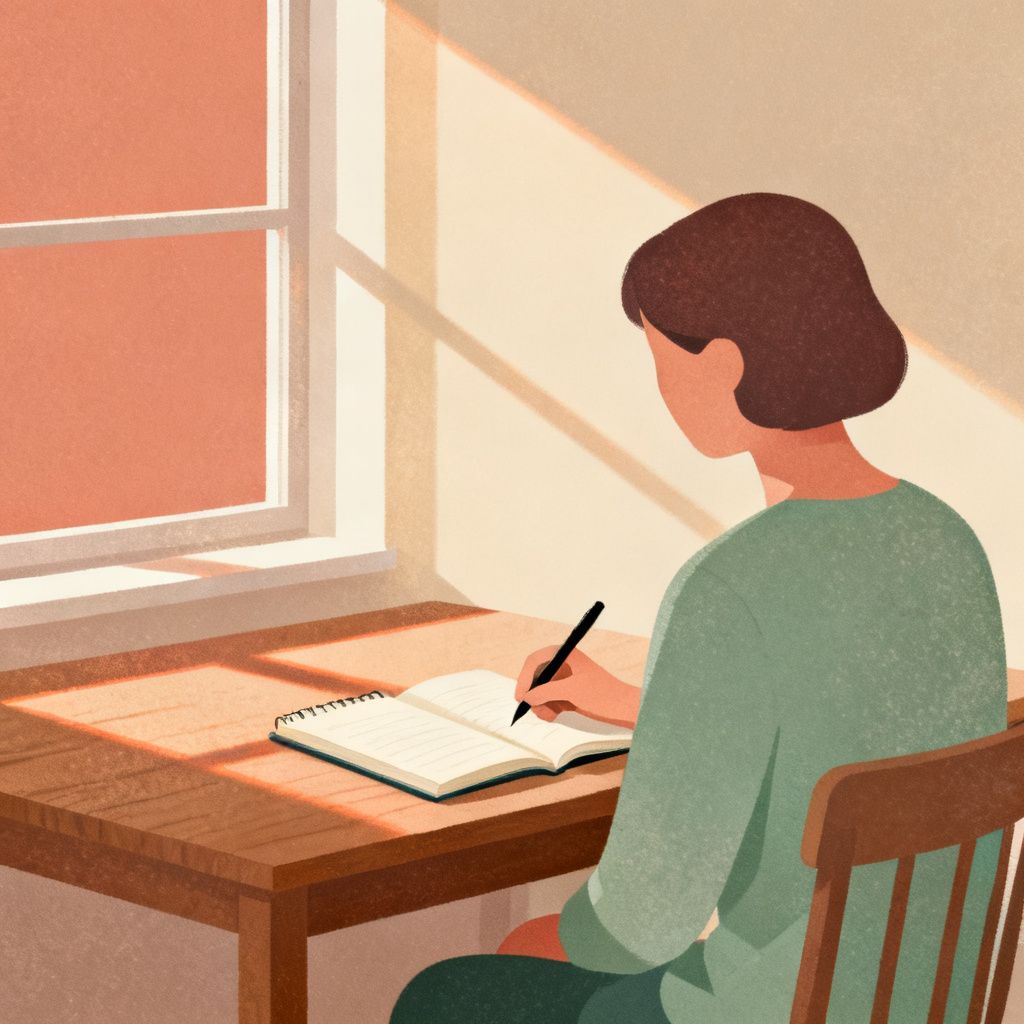
The coffee had gone cold by the time Marcus noticed he'd been scrolling for two hours 📱. He'd promised himself he wouldn't open that app again, yet here he was, thumb aching, mind foggy, the old pattern pulling him back like a tide that didn't care about his resolutions. The shame arrived faster than the clarity.
When you slip back into a pattern you swore you'd left behind, the first question that burns is usually: What's wrong with me? Nothing. Let's talk about what's actually happening and how to handle addiction relapse without losing the ground you've already gained.
Why Do We Relapse Into Old Patterns?
Your brain doesn't hate you. It loves efficiency 🧠. When a behavior has been repeated for months or years, neural pathways become well-worn roads. The brain doesn't distinguish between helpful and harmful — it only knows familiar and unfamiliar.
So when stress, boredom, or loneliness shows up, your nervous system reaches for the road it knows best. That's not weakness. That's biology doing what biology does.
The question isn't why am I so weak? The better question is: What triggered my brain to take the familiar road?
What Should You Do in the First 10 Minutes?
Breathe. Then breathe again 🌬️.
The moments right after a relapse are tender. Your inner critic will want to grab the microphone and deliver a speech about how you're broken, how you'll never change, how this proves everything you feared about yourself.
That voice is loud, but it's not wise.
Forgive yourself first. Not because the slip didn't matter, but because shame narrows your vision. When you're drowning in self-blame, you can't see the trigger that pushed you off course. You can't plan a better response. You can only punish yourself, which — ironically — often becomes another trigger.
Try saying it out loud: I slipped. I'm still learning. This is part of the process, not the end of it.
How Do You Identify the Trigger?
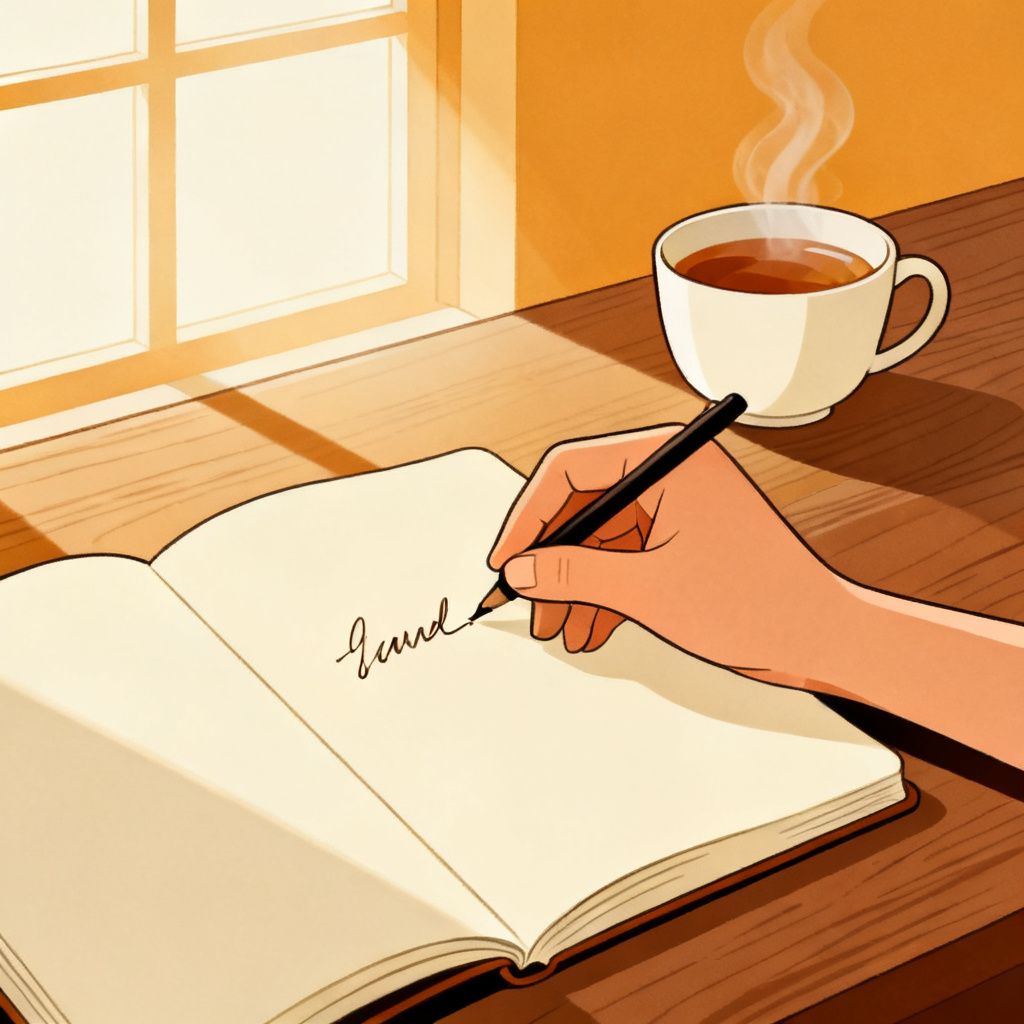
Once you've calmed your body, grab a pen and paper ✍️. Not your phone — paper. There's something about the physical act of writing that slows your thinking.
Ask yourself:
- What was I feeling right before the urge hit?
- Where was I? Who was I with?
- What time of day was it?
- What had just happened — or what was I avoiding?
You're not building a case against yourself. You're building a map 🗺️. Triggers lose power when you name them. The unnamed thing controls you; the named thing becomes something you can work with.
What Does a Better Response Look Like?
Here's where most people stop. They identify the trigger, feel bad about it, and promise to do better next time without actually designing what better means.
Design it. Specifically.
If your trigger is evening loneliness, what will you do at 8 PM tomorrow instead of reaching for the old pattern? Write the steps like a recipe:
- Notice the urge — name it without acting on it for 60 seconds ⏳
- Redirect — call a friend, take a walk, do 20 push-ups
- Reward — give yourself a small, harmless dopamine hit
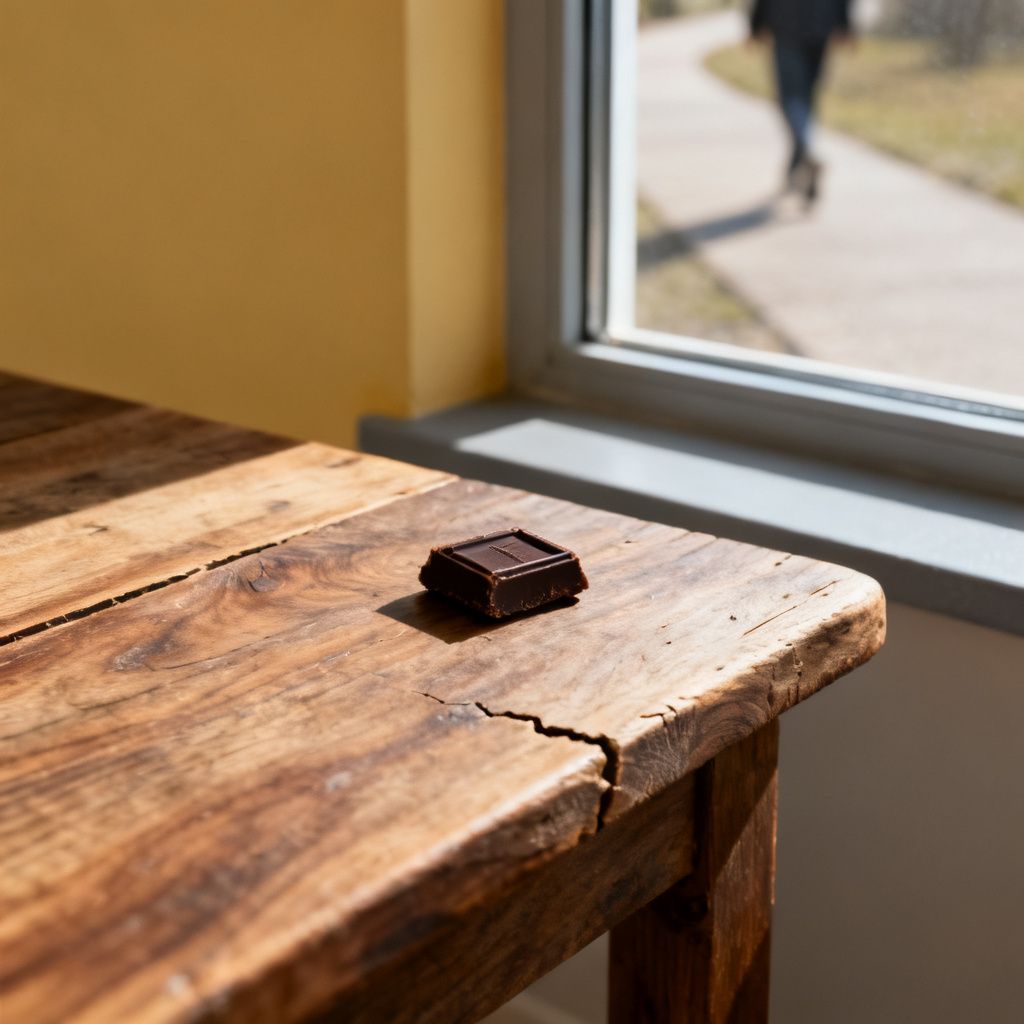
That reward matters more than you think 🍫. Your brain needs to feel that the new path leads somewhere good. A square of dark chocolate, a favorite song played loud, a hot shower — these are small, safe pleasures that tell your nervous system: This new road has gifts too.
Avoid rewards that could reopen the door you're trying to close. A glass of wine to celebrate not drinking isn't a reward — it's a detour in disguise 🚪.
How Long Until It Gets Easier?
The first four weeks are the hardest 🌱. That's when your brain is still skeptical of the new road, when the old path keeps calling with seductive familiarity.
But neuroplasticity is real. Every time you choose the new response, the new pathway gets a little wider, a little more obvious. By week four, the momentum shifts. Not because the urge disappears entirely, but because you've proven to yourself that you can feel the pull and still walk the other way.
Discipline isn't about being harsh with yourself. It's about being loyal to the person you're becoming.
A Quiet Reminder
You are not beyond salvage. That phrase — beyond salvage — belongs to the critic, not the truth. People rebuild from deeper holes than the one you're standing in. The relapse isn't the story. The next choice is.
Be gentle with yourself tonight 🕯️. Then pick up the pen tomorrow and keep building the map.
Content note
- This article offers general encouragement and practical reflection, not medical or clinical advice.
- Readers dealing with substance use disorders should consult qualified healthcare professionals for personalized support.
- Avoid presenting the four-week timeline as a guaranteed outcome; individual recovery timelines vary.
References worth exploring
- The Power of Habit by Charles Duhigg — explores the cue-routine-reward loop relevant to relapse patterns
- Atomic Habits by James Clear — practical framework for building new response patterns after setbacks
Join the conversation
What did this bring up for you? Share a moderated reflection with the ENTOURAGE community.